
How First Responders Can Benefit From Outpatient Programs
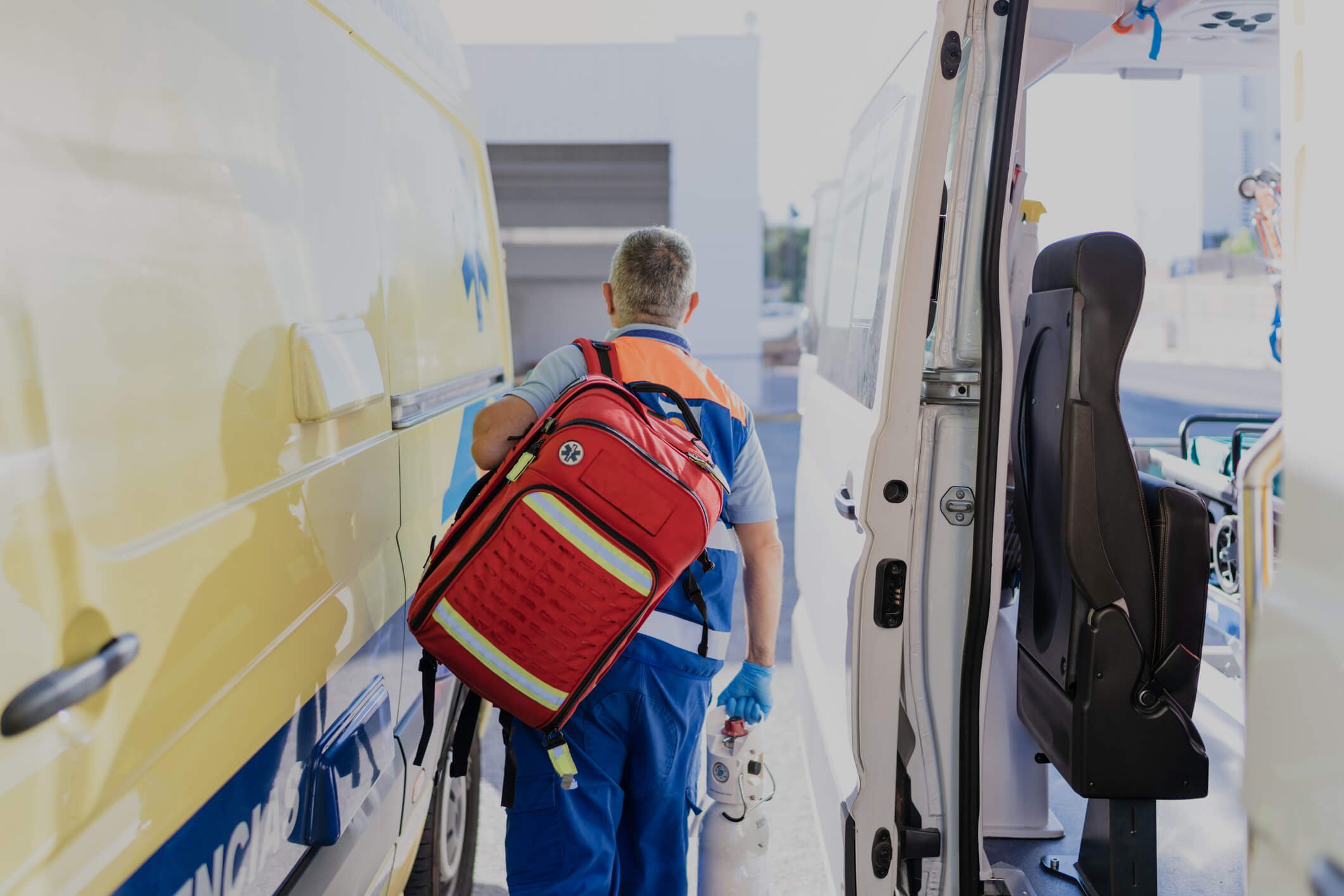
In recent years, more awareness has been raised about the mental health of first responders.
Due to the stressful, dangerous and often trauma-exposed nature of their jobs, first responders often struggle with mental health challenges such as PTSD, depression and even suicide.
A recent study conducted by the Ruderman Family Foundation found that first responders are more likely to die by suicide than in the line of duty. At the same time, some first responders may be hesitant to seek treatment for their mental health.
At Branches Midtown, an outpatient-only behavioral health center in Midtown Fort Worth, Texas, we care about the invaluable service the first responders in our communities provide. Join us as we explore the issue of mental health among first responders, including common stigma, mental health disorders and how outpatient treatment can help.
Stigma Around The Mental Health of First Responders
First responders are often hailed for their heroism and dedication to public safety. However, these heroes are often left facing difficult battles on their own. First responders may feel pressured to maintain an air of strength and resilience, as their colleagues or friends may not wish to be perceived as weak. This can lead to a culture of silence and avoidance, which may prevent them from seeking the help they need for their mental health.
In addition to this, first responders may conceal mental health symptoms due to fears of being considered ‘unfit’ for their position. With their financial well-being on the line, some may choose to sacrifice their mental health, thinking they can manage on their own. As a result, we likely do not have the full picture when it comes to how many first responders are struggling with mental health challenges.
[/eskycity_callout]
Common Mental Health Issues Among First Responders
A study conducted by the Substance Abuse and Mental Health Services Administration (SAMHSA) shows that, on average, 30% of first responders develop a behavioral health condition as opposed to 20% of the general population. Common behavioral health conditions include PTSD, depression and substance use.
PTSD
Post-traumatic stress disorder (PTSD) is a common mental health challenge among first responders. Research shows that one in three first responders suffer from PTSD, as opposed to one in five in the general population. This is in part due to the nature of their role, as first responders are more likely to be exposed to traumatic experiences than the average civilian.
Symptoms of PTSD in first responders include intrusive memories of traumatic events, flashbacks, nightmares, hypervigilance and emotional numbness.
Depression
Another common mental health challenge among first responders is depression. Symptoms of depression may include persistent sadness, loss of interest in activities that once brought job, hopelessness, thoughts of self-harm and more.
In first responders, depression may arise as a result of their exposure to traumatic events, long working hours and pressures to perform. Furthermore, first responders may experience survivor’s guilt.
Substance Abuse
Finally, substance abuse is another prevalent issue among first responders. When mental health challenges aren’t addressed, first responders may find other ways to cope. Unfortunately, this can mean turning to substances such as drugs or alcohol to soothe their symptoms.
The negative effects of substance abuse go beyond mental health. It can also impact their physical health, cognitive abilities, job performance and relationships. While substance abuse may be seen as a way to provide temporary relief, in the long run, it does more damage than good.
Substances cannot solve mental health issues. When struggling with both, it’s best to seek treatment for co-occurring disorders, such as outpatient treatment.
How Outpatient Treatment Can Help First Responders
Dealing with mental health challenges on one’s own is difficult. This is especially true for first responders, whose mental health challenges can be complex due to their profession.

Seek professional help
While some may feel hesitant about the benefits of outpatient treatment, the truth is that it’s okay to ask for help.
Outpatient programs can provide an understanding environment for first responders to work through their experiences and develop healthy coping mechanisms. Furthermore, outpatient treatment typically operates on a flexible schedule, meaning that first responders may be able to better-fit sessions into their complicated schedules.
Branches Midtown, for example, provides the Honor Strong First Responder Program, a resiliency-focused outpatient program dedicated to first responders and medical healthcare workers.
Building a support system
In outpatient treatment programs, patients have the opportunity to both build and improve support systems.
Typically, a core component of outpatient programs is group therapy. This can be an incredibly powerful tool for first responders, enabling them to connect with other first responders dealing with similar experiences. By providing a safe environment, outpatient programs enable first responders to receive validation, understanding and hope for a better tomorrow. In outpatient programs, first responders can share challenges, coping mechanisms, and support tips with one another.
Practicing self-care
Regardless of your profession, self-care is an important element of one’s mental health. Self-care may include getting enough sleep, eating a healthy diet and engaging in activities that bring relaxation and joy. However, self-care isn’t always easy, especially when working in the environment first responders do.
Fortunately, outpatient programs may represent a great starting point in learning and implementing self-care techniques into one’s day-to-day life. This may include helping first responders identify potential barriers or unhealthy coping mechanisms that prevent them from effective self-care.
Building resiliency
In a field such as the one where first responders operate, resiliency is key. Branches Midtown’s Honors Strong Program uses a resiliency-focused approach to address first responders’ unique needs and challenges. This includes using treatment methods such as dialectical behavior therapy (DBT), cognitive behavior therapy (CBT), acceptance and commitment therapy (ACT) and more.

Here to Help
First responders put their physical health on the line for us every day. And while we remain safe thanks to their dedication, their mental well-being often pays the price.
Millwood Hospital is a behavioral health center providing mental health and substance abuse treatment in Arlington, Texas. We also provide outpatient treatment at our Branches locations throughout the Dallas-Fort Worth Metropolitan area, meeting the behavioral needs of children, adolescents, adults and older adults in our community.
Our assessment team works with you to figure out the problem at hand and what treatment approach is most beneficial to your individual circumstances.
Recovery starts here. Reach out to 817-404-2207 to get started on your path to a brighter tomorrow.
If you think you’re experiencing a mental health crisis, call 988 or get to the nearest emergency room.
For medical emergencies, call 911 or get to the nearest emergency room.